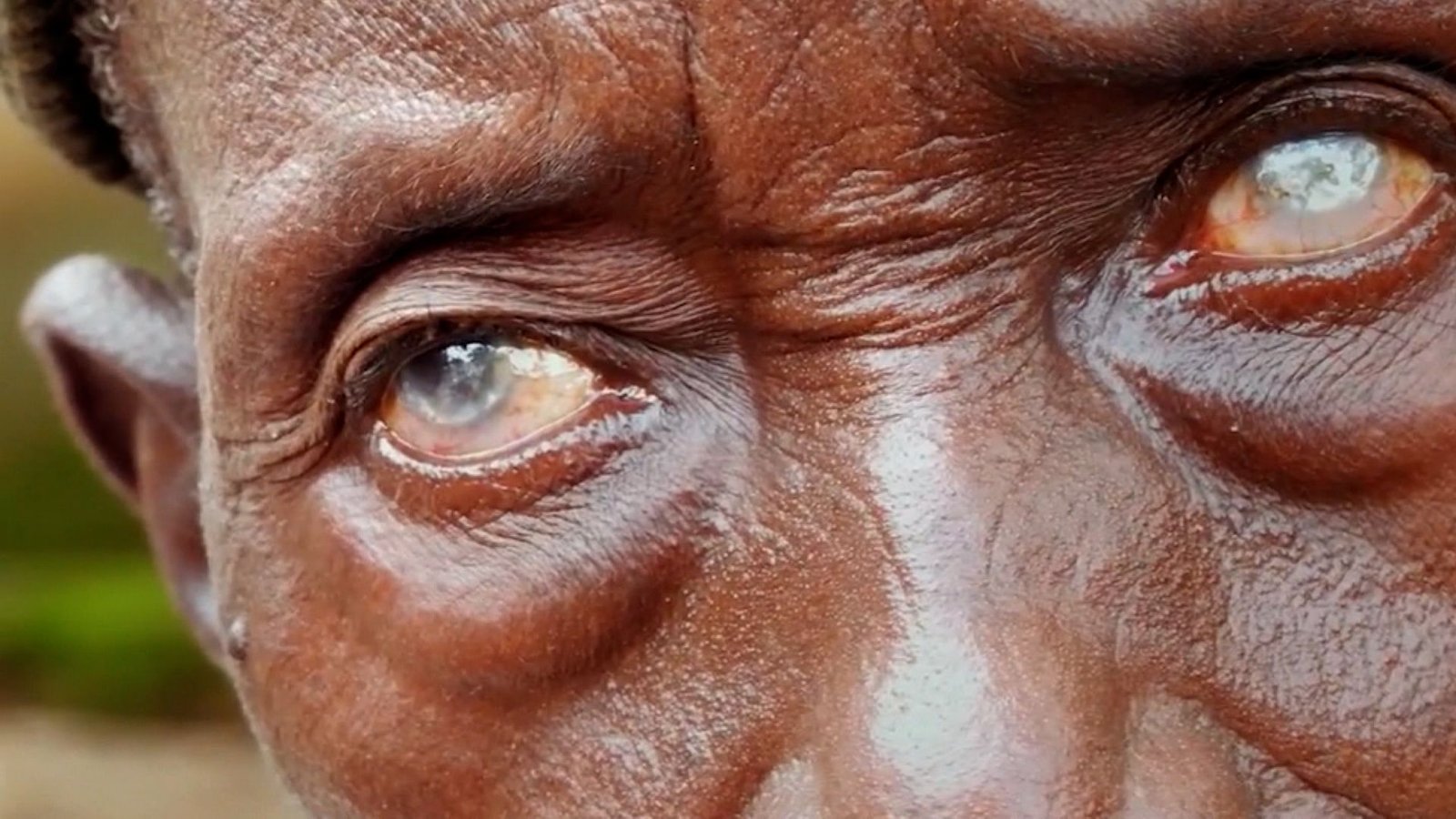

Onchocerciasis, commonly known as river blindness, is caused by a parasitic worm transmitted through bites of infected blackflies near fast-flowing rivers. The disease causes intense itching, skin changes, and visual impairment that can lead to permanent blindness. Africa remains the most affected region, with ongoing efforts from WHO and regional health programmes to accelerate elimination. Annual treatment with ivermectin and expanded surveillance have reduced disease burden in many communities, but challenges persist due to co-endemic infections and limited healthcare infrastructure. Health experts emphasize the need for sustained funding, community-based outreach, and integrated disease management to interrupt transmission and achieve long-term control.