

More than four decades after HIV/AIDS was first identified, the virus remains a major global public health concern, particularly in low- and middle-income countries. According to global health authorities, millions of people continue to live with HIV, with new infections still occurring each year despite advances in treatment and prevention.
HIV (Human Immunodeficiency Virus) attacks the immune system, weakening the body’s ability to fight infections. If left untreated, the virus can progress to AIDS (Acquired Immunodeficiency Syndrome), the most advanced stage of HIV infection. However, modern antiretroviral therapy (ART) has dramatically improved life expectancy, allowing people living with HIV to lead long, productive lives.
In many African countries, expanded access to testing and treatment has reduced AIDS-related deaths significantly. Health officials credit community outreach programs, improved maternal care, and widespread availability of antiretroviral drugs for the progress made over the past two decades.
Despite these gains, challenges remain. New HIV infections continue to occur, particularly among young people, women, and key populations who face barriers to healthcare access. Public health experts also point to stigma, misinformation, and discrimination as major obstacles preventing individuals from seeking testing and treatment early.
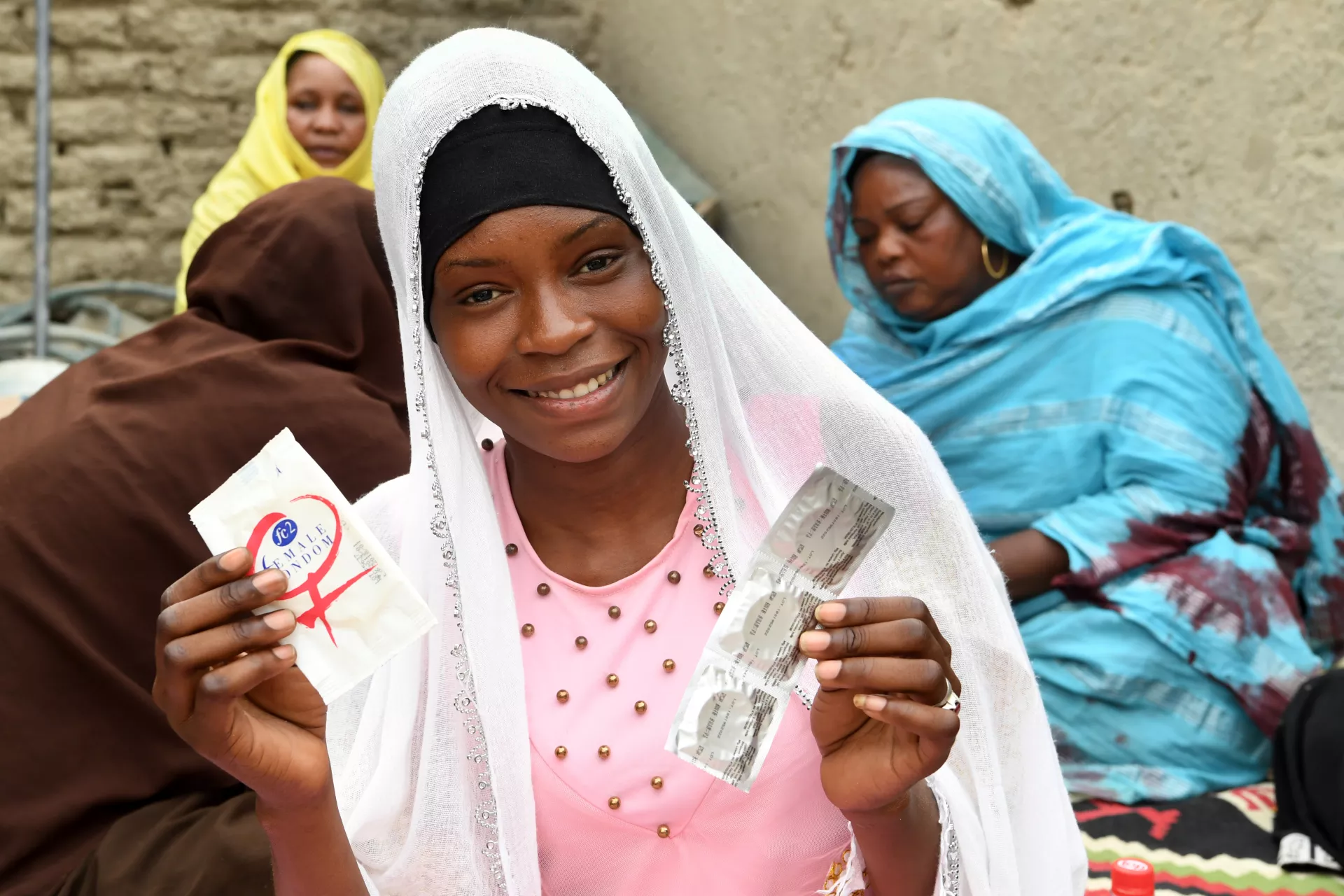
Medical research has also introduced powerful preventive tools, including pre-exposure prophylaxis (PrEP), which significantly reduces the risk of HIV transmission when taken consistently. Health authorities stress that prevention, early diagnosis, and sustained treatment must work together to curb the epidemic.
As the world moves through 2026, global health organisations emphasise that ending HIV/AIDS as a public health threat will require renewed political commitment, increased funding, and stronger health systems. Experts say progress is achievable, but only if education, prevention, and treatment efforts remain inclusive and accessible to all.